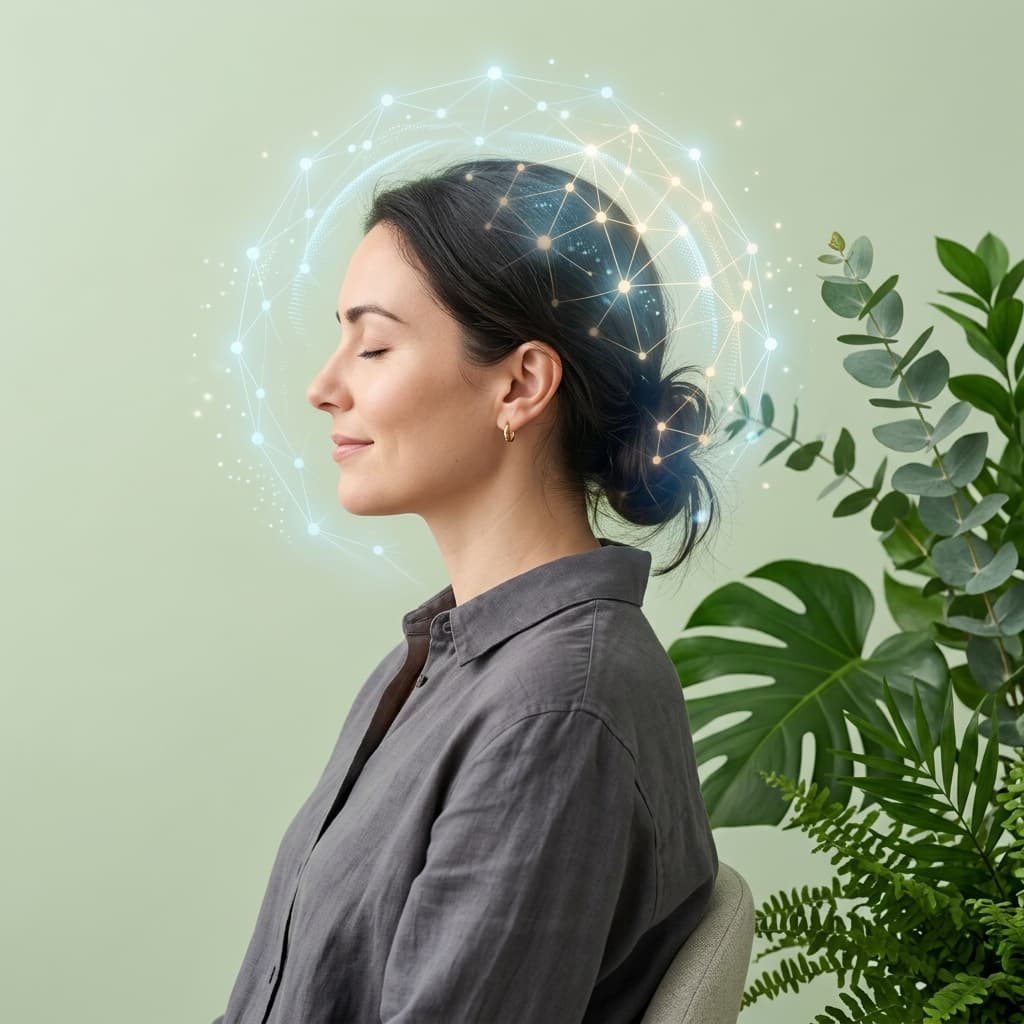
Migraine affects nearly 1 in 7 people worldwide and is one of the leading causes of disability among neurological disorders. Because migraine is influenced by multiple factors such as genetics, stress, hormonal changes, sleep patterns, digestion, and individual triggers, a personalized approach is often important. Ayurveda and Homeopathy focus on understanding the individual's unique symptom pattern, constitutional factors, lifestyle triggers, and overall health to develop a holistic care plan aimed at reducing the frequency and severity of migraine episodes and improving quality of life.
Understanding Migraine
Migraine is a chronic neurological condition characterized by recurring episodes of moderate to severe headache, often described as throbbing or pulsating pain. The pain may affect one or both sides of the head and is frequently associated with symptoms such as nausea, vomiting, and increased sensitivity to light, sound, or smell.
Some individuals experience an aura before or during a migraine attack, which may include visual disturbances, sensory changes, or other temporary neurological symptoms. Migraine is more than a typical headache; it involves complex changes in nervous system activity and pain pathways. Common triggers may include stress, hormonal changes, sleep disturbances, dehydration, and other individual factors.
Disease at a Glance
Key Clinical IndicatorsVaries depending on early intervention and lifestyle consistency.
Manageable with structured natural therapies and routine monitoring.
Prevalent across modern demographics with metabolic or environmental stress.
Progressive improvement seen with holistic constitutional treatment.
Therapeutic Approaches & Root Causes
Ayurvedic Perspective
Root Cause: Dosha & Dhatu Imbalance- In Ayurveda, migraine is commonly correlated with Ardhavabhedaka, a condition characterized by recurrent one-sided headache. It is primarily associated with disturbances of Vata and Pitta Doshas, although Kapha may also contribute in certain individuals. Aggravation of these doshas is believed to affect the channels of the head (Shiras) and disturb normal sensory and neurological function, leading to severe headache, nausea, sensitivity to light and sound, and associated symptoms.
- Ayurvedic management focuses on restoring doshic balance through individualized treatment based on the patient's Prakriti (constitution), Vikriti (current imbalance), and triggering factors. Management may include dietary regulation (Pathya Ahara), adequate sleep, stress reduction, yoga, meditation, Pranayama, physician-supervised Nasya Karma, gentle Shiro Abhyanga (head massage), and classical Ayurvedic herbs such as Brahmi, Shankhapushpi, Jatamansi, Guduchi, Yashtimadhu, and selected formulations prescribed according to the individual's clinical presentation.
Homeopathic Perspective
Root Cause: Constitutional Susceptibility- Homeopathy approaches migraine by evaluating the individual's complete constitutional picture rather than the headache alone. During consultation, the physician considers the location of pain, nature of the headache, associated symptoms, triggering factors, relieving factors, sleep pattern, hormonal influences, emotional health, food preferences, family history, and overall physical constitution before selecting an individualized remedy.
- Depending on the patient's complete symptom picture, a qualified homeopathic physician may consider remedies such as Belladonna for sudden congestive headaches with throbbing pain and sensitivity to light, Sanguinaria canadensis for characteristic right-sided migraines, Spigelia for severe left-sided neuralgic headaches, Natrum muriaticum for migraines associated with emotional stress or sun exposure, Iris versicolor for migraines accompanied by acidity or vomiting, Gelsemium for headaches associated with fatigue and heaviness, Glonoinum for pulsating headaches aggravated by heat or sun exposure, and Damiana (Mother Tincture/Q) or Passiflora incarnata (Mother Tincture/Q) may be considered in selected patients where stress, anxiety, or sleep disturbance contribute to the overall clinical picture. Remedy selection is always individualized and based on the totality of symptoms rather than the diagnosis alone.
Common Symptoms
Recognize the early warning signs to consult our experts at the right time.
Severe Headache
Intense, throbbing, or pulsing pain, typically on one side of the head.
Nausea & Vomiting
Feeling sick to the stomach or vomiting during a severe headache episode.
Sensitivity to Light
Photophobia; discomfort or pain triggered by normal indoor or outdoor lighting.
Sensitivity to Sound
Phonophobia; intolerance to normal noises, requiring a quiet dark room.
Visual Aura
Seeing flashing lights, zig-zag lines, blind spots, or temporary vision changes.
Blurred Vision
Double or hazy vision caused by vascular constriction in the retina.
Neck Stiffness
Tension and soreness in the neck muscles before or during a migraine attack.
Dizziness & Vertigo
Lightheadedness or a spinning sensation accompanying the headache.
What Triggers This Condition?
Understanding the underlying triggers is the first step toward permanent recovery.
Root-Cause vs.
Symptom Masking
Unlike conventional medicine that suppresses symptoms, we analyze these environmental and physiological causes to restore long-term cellular balance.
• Temporary relief
• Chemical dependency
• Ignored triggers
• Cellular healing
• Permanent relief
• Personalized care
Chronic Stress
Mental anxiety and emotional tension trigger neurotransmitter changes and spasms.
Sleep Deprivation
Irregular sleep patterns or lack of deep sleep disrupt brain chemical regulation.
Hormonal Fluctuations
Estrogen changes in women during menstrual cycles, pregnancy, or menopause.
Genetics & Family History
Inherited hyper-excitability of brain networks and vascular reactivity.
Food Triggers
Aged cheese, chocolate, artificial sweeteners, processed meats, and caffeine.
Screen Time
Prolonged exposure to bright screens causes eye strain and triggers neural pathways.
Our Natural Treatment Process
We follow a scientific six-step methodology to cure the condition and restore optimal metabolic homeostasis.
Diagnosis
Detailed symptom & health history screening.
Dosha Analysis
Evaluating constitutional imbalances.
Customized Medicine
Preparing targeted organic doses.
Diet Plan
Tailoring glycemic & metabolic nutrition.
Follow-Up
Tracking healing progress every week.
Recovery
Attaining cellular balance & high vitality.
Your Customized Treatment Plan Includes
Ayurvedic formulations with Godanti Bhasma, Pathyadi decoction, and Shirashuladi Vajra to calm Pitta-Vata.
Remedies like Belladonna or Spigelia to address vascular sensitivity and prevent recurring spasms.
Nasal administration of medicated oils to clear sinus blockages and nourish cranial nerves.
Pranayama, Bhramari, and deep relaxation poses to activate the parasympathetic system.
Guidance on sleep hygiene, screen curfews, and establishing natural circadian balance.
Nutrition plan excluding aged, processed, and chemical triggers while promoting cooling foods.
Why Choose Natural Healing?
Compare our holistic, root-cause healing therapies with conventional surgical and chemical methods.
Integrated Natural Treatment
Root Cause Treatment
Addresses digestive, lifestyle, and constitutional imbalances directly.
No Surgery or Scars
100% non-invasive, avoids surgical pain and post-op complications.
Minimal Side Effects
Organic herbs and mild homeopathic drops are highly biocompatible.
Long-term Relief
Eliminates chronic recurrence by healing the systemic susceptibility.
Personalized Treatment
Formulated specifically according to your body's dosha composition.
Holistic Wellness
Improves overall immunity, gut health, and energy levels.
Conventional Treatments
Temporary Symptom Relief
Suppresses local inflammation but leaves root triggers untouched.
Recurrence Highly Possible
Condition often returns once medications are discontinued.
Chemical Side Effects
Prolonged use of pain relievers/anti-inflammatory pills causes gut toxicity.
Surgical Risks
Operations like hemorrhoidectomy carry risks of incontinence or infection.
Generic One-Size-Fits-All
Same prescriptions are administered to all patients regardless of cause.
Systemic Exhaustion
Does not support overall digestive vitality or immune resilience.
Natural Care You Can Trust
We bridge the gap between traditional herbal wisdom and modern diagnostic validation.
Experienced Doctors
Consult highly certified practitioners with over 20 years of clinical expertise.
Personalized Treatment
Get custom organic remedies prepared according to your biological constitution.
Online Consultation
Secure online video consultations and medicine dispatch anywhere in India.
Authentic Medicines
100% natural, GMP-certified, metal-free, and clinically validated formulations.
Lifestyle & Yoga Guidance
Detailed diet charts, exercise guidance, and daily wellness schedules.
Continuous Monitoring
Weekly clinical follow-ups and diet adaptations to ensure perfect recovery.

Dr. Sanjeev Bhaskar
Senior Neuro-Ayurveda SpecialistBAMS (University of Delhi) • MD (Ayurveda)Consult With Our Clinical Specialist
Dr. Sanjeev Bhaskar has 18 years of experience in administering Vata-Pitta soothing therapies, Shirodhara, and custom herbs for severe migraines. Schedule a free diagnostic call today to receive a personalized Ayurvedic or Homeopathic prescription.
Real Patient Stories
Read how our personalized treatment protocols have restored health and relief.
"I had throbbing migraines 3 times a week. After 2 months of custom drops and Nasya oil therapy, my attacks have stopped completely and I no longer need painkillers."
Nisha Sharma
Verified Recovered CaseFrequently Asked Questions
Find expert answers to common queries regarding natural treatments for Migraine.
You May Also Like
Read about related digestive and metabolic disorders treated successfully at Ojas Sanjivani.
Vertigo
Vertigo is a sensation of false movement, often described as feeling that you or your surroundings are spinning even when there is no actual movement. Unlike general dizziness, vertigo is specifically related to an altered sense of balance and spatial orientation. Vertigo is commonly associated with disorders of the vestibular system, which helps control balance and coordination. Common causes include benign paroxysmal positional vertigo (BPPV), vestibular neuritis, labyrinthitis, and Ménière's disease. In some cases, dizziness-like symptoms may also be associated with other conditions, including cardiovascular or neurological factors. Vertigo may cause symptoms such as imbalance, nausea, vomiting, and difficulty performing daily activities. Proper evaluation helps identify the underlying cause and appropriate management approach.

Insomnia
Insomnia is a common sleep disorder characterized by persistent difficulty falling asleep, staying asleep, or waking up too early and being unable to return to sleep. Chronic insomnia causes daytime fatigue, cognitive fog, mood changes, and impairs immune functions. Insomnia is a common sleep disorder characterized by persistent difficulty falling asleep, staying asleep, or waking earlier than desired and being unable to return to sleep. Poor sleep can affect concentration, memory, mood, work performance, and overall quality of life. Long-term sleep difficulties may also influence stress levels, emotional well-being, and general physical health. Common contributing factors include stress, anxiety, depression, irregular sleep habits, excessive screen time, shift work, certain medications, medical conditions, and other sleep disorders. Identifying the underlying causes is important for developing an effective and individualized management plan.
Neuropathy
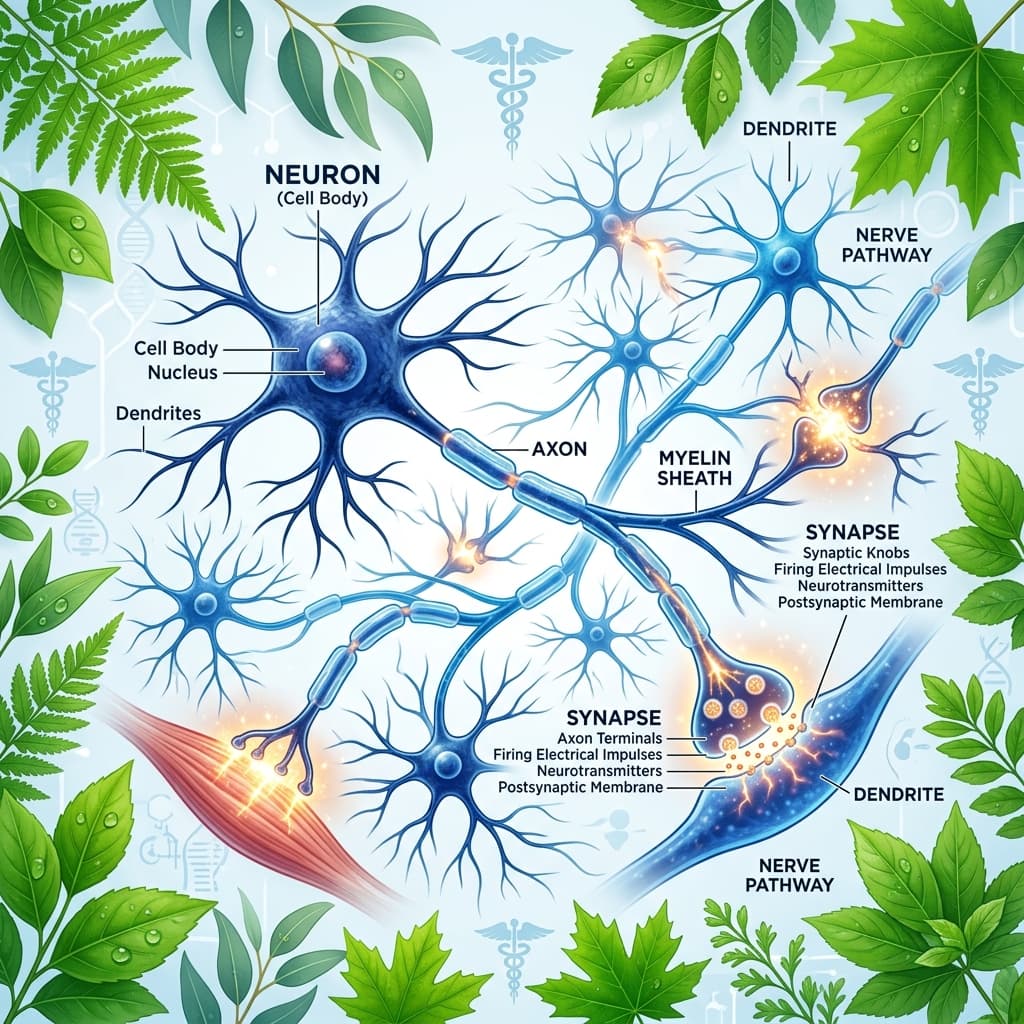
Peripheral neuropathy is a condition that occurs when peripheral nerves, which transmit signals between the brain, spinal cord, and the rest of the body, become damaged or impaired. These nerves play important roles in sensation, movement, and certain automatic body functions. Diabetes is one of the most common causes of peripheral neuropathy. Other contributing factors may include nutritional deficiencies, chronic alcohol use, certain medications, autoimmune conditions, infections, or nerve injuries. Neuropathy may cause symptoms such as burning pain, numbness, tingling, increased sensitivity, or weakness, often affecting the hands and feet in a characteristic "glove and stocking" pattern. In some individuals, symptoms may affect balance, movement, and daily activities.
Diagnostic Health Assessment for Migraine
Natural Relief from Throbbing Headaches & Light Sensitivity
How long have you been experiencing symptoms related to Migraine?*
Schedule Your Free Consultation
Connect with certified Ayurveda and Homeopathy specialists for personalized treatment and expert guidance.
Book an Appointment
Fill in your details and our healthcare team will contact you shortly.