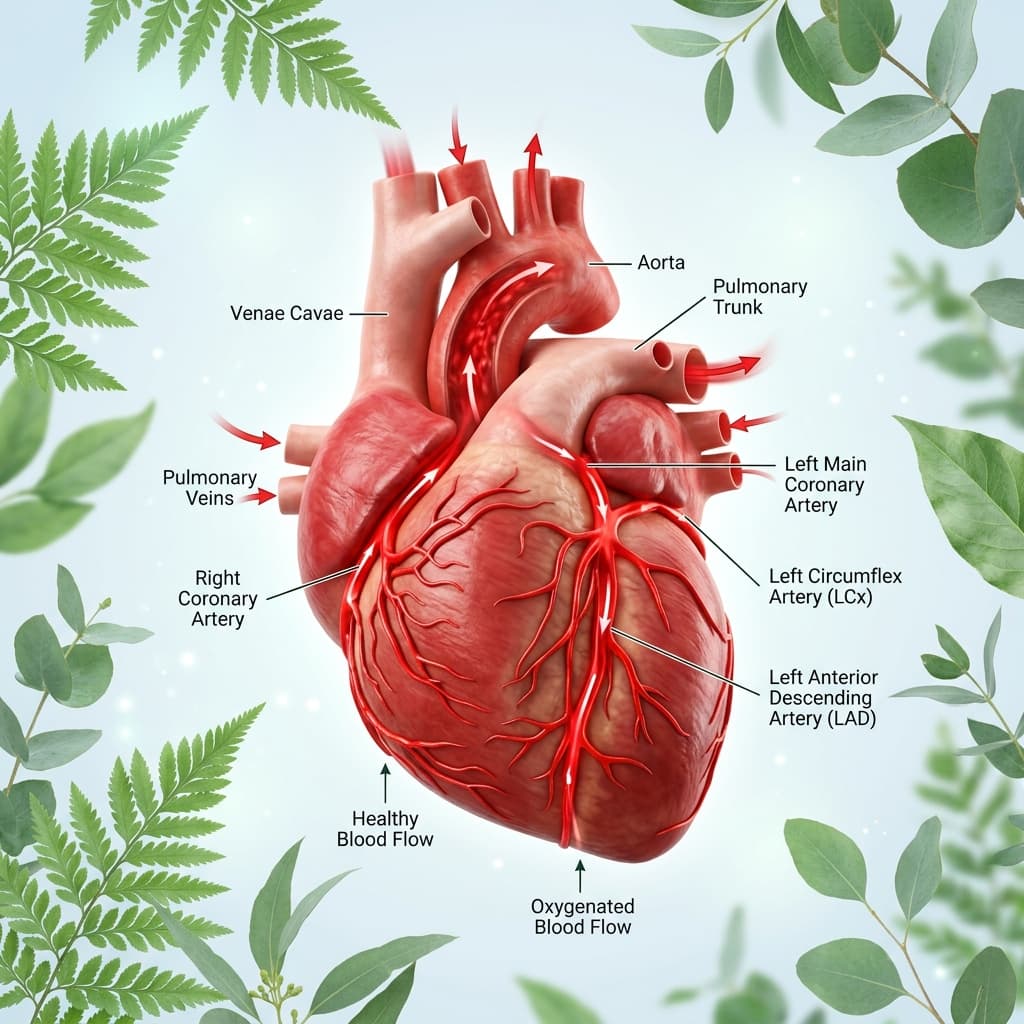
Understanding Ischemic Heart Disease (IHD)
Ischemic Heart Disease (IHD), also known as Coronary Artery Disease (CAD), occurs when the blood supply to the heart muscle is reduced, most commonly due to the buildup of fatty plaques in the coronary arteries. Over time, these plaques can narrow the arteries and reduce oxygen delivery to the heart muscle, a condition known as myocardial ischemia.
In some cases, a plaque may rupture and trigger the formation of a blood clot, which can suddenly block blood flow and result in an acute myocardial infarction (heart attack). IHD is one of the leading causes of cardiovascular-related illness worldwide.
Managing cardiovascular risk factors through healthy lifestyle habits, regular monitoring, and appropriate medical care plays an important role in supporting heart health and reducing complications.
Disease at a Glance
Key Clinical IndicatorsVaries depending on early intervention and lifestyle consistency.
Manageable with structured natural therapies and routine monitoring.
Prevalent across modern demographics with metabolic or environmental stress.
Progressive improvement seen with holistic constitutional treatment.
Therapeutic Approaches & Root Causes
Ayurvedic Perspective
Root Cause: Dosha & Dhatu Imbalance- In Ayurveda, conditions resembling Ischemic Heart Disease are described under Hridroga, where disturbances of Vyana Vata, Sadhaka Pitta, and Avalambaka Kapha, together with impairment of Rasa and Rakta Dhatus, affect the normal functioning of the heart. Classical Ayurvedic concepts such as Dhamani Pratichaya (changes affecting the arterial channels) and accumulation of Ama are considered important factors in impaired circulation and cardiovascular imbalance.
- Ayurvedic management aims to restore systemic balance through individualized treatment based on the patient's Prakriti (constitution), Vikriti (current imbalance), and associated risk factors. This may include heart-supportive dietary recommendations, stress reduction, yoga, pranayama, weight management, and physician-supervised herbal formulations. Classical herbs traditionally used in cardiovascular care include Arjuna (Terminalia arjuna), Pushkarmool (Inula racemosa), Guggulu, Punarnava, Lashuna (Garlic), and Amalaki, selected according to the individual's clinical presentation.
Homeopathic Perspective
Root Cause: Constitutional Susceptibility- Homeopathy considers Ischemic Heart Disease as a condition requiring careful constitutional assessment in addition to conventional cardiac evaluation. Along with the diagnosis, the physician evaluates the patient's overall constitution, symptom characteristics, emotional health, family history, lifestyle, associated medical conditions, and cardiovascular risk profile before selecting an individualized remedy.
- Depending on the patient's complete clinical picture, a qualified homeopathic physician may consider Crataegus oxyacantha (Mother Tincture/Q), Cactus grandiflorus (Mother Tincture/Q), Strophanthus hispidus (Mother Tincture/Q), Aurum metallicum, Digitalis purpurea, Glonoinum, Latrodectus mactans, and Spigelia where clinically appropriate.
- Homeopathic care is intended to complement appropriate cardiology care, healthy lifestyle practices, cardiac rehabilitation where indicated, and regular medical follow-up.
Common Symptoms
Recognize the early warning signs to consult our experts at the right time.
Chest Discomfort
Heaviness or pressure in the chest, often triggered by physical activity or stress.
Shortness of Breath
Severe breathlessness during mild physical tasks due to low oxygenation.
Radiating Pain
Pain radiating from the chest down to the left arm, shoulder, jaw, or upper back.
Extreme Fatigue
Feeling completely drained of energy as the heart struggles to meet circulatory demands.
What Triggers This Condition?
Understanding the underlying triggers is the first step toward permanent recovery.
Root-Cause vs.
Symptom Masking
Unlike conventional medicine that suppresses symptoms, we analyze these environmental and physiological causes to restore long-term cellular balance.
• Temporary relief
• Chemical dependency
• Ignored triggers
• Cellular healing
• Permanent relief
• Personalized care
Arterial Blockage
Plaque accumulation in the main coronary arteries due to bad lipids and calcium deposits.
Vascular Inflammation
Chronic low-grade inflammation of the inner lining of arteries (endothelial damage).
Unhealthy Lifestyle
Combining a sedentary routine, stress, heavy refined carbohydrates, and smoking.
Family Medical History
Inherited tendency for premature arterial plaque buildup and weak coronary walls.
Our Natural Treatment Process
We follow a scientific six-step methodology to cure the condition and restore optimal metabolic homeostasis.
Diagnosis
Detailed symptom & health history screening.
Dosha Analysis
Evaluating constitutional imbalances.
Customized Medicine
Preparing targeted organic doses.
Diet Plan
Tailoring glycemic & metabolic nutrition.
Follow-Up
Tracking healing progress every week.
Recovery
Attaining cellular balance & high vitality.
Your Customized Treatment Plan Includes
Powerful Ayurvedic cardiotonics to improve coronary perfusion and strengthen the ventricles.
A homepathic cardiotonic that acts directly on the heart muscle to increase circulation and prevent infarction.
Specialized colon cleansing therapies with scraping herbs to reduce internal fat deposits.
Whole plant-based nutrition, high in anti-oxidants, pomegranates, walnuts, and organic garlic.
Why Choose Natural Healing?
Compare our holistic, root-cause healing therapies with conventional surgical and chemical methods.
Integrated Natural Treatment
Root Cause Treatment
Addresses digestive, lifestyle, and constitutional imbalances directly.
No Surgery or Scars
100% non-invasive, avoids surgical pain and post-op complications.
Minimal Side Effects
Organic herbs and mild homeopathic drops are highly biocompatible.
Long-term Relief
Eliminates chronic recurrence by healing the systemic susceptibility.
Personalized Treatment
Formulated specifically according to your body's dosha composition.
Holistic Wellness
Improves overall immunity, gut health, and energy levels.
Conventional Treatments
Temporary Symptom Relief
Suppresses local inflammation but leaves root triggers untouched.
Recurrence Highly Possible
Condition often returns once medications are discontinued.
Chemical Side Effects
Prolonged use of pain relievers/anti-inflammatory pills causes gut toxicity.
Surgical Risks
Operations like hemorrhoidectomy carry risks of incontinence or infection.
Generic One-Size-Fits-All
Same prescriptions are administered to all patients regardless of cause.
Systemic Exhaustion
Does not support overall digestive vitality or immune resilience.
Natural Care You Can Trust
We bridge the gap between traditional herbal wisdom and modern diagnostic validation.
Experienced Doctors
Consult highly certified practitioners with over 20 years of clinical expertise.
Personalized Treatment
Get custom organic remedies prepared according to your biological constitution.
Online Consultation
Secure online video consultations and medicine dispatch anywhere in India.
Authentic Medicines
100% natural, GMP-certified, metal-free, and clinically validated formulations.
Lifestyle & Yoga Guidance
Detailed diet charts, exercise guidance, and daily wellness schedules.
Continuous Monitoring
Weekly clinical follow-ups and diet adaptations to ensure perfect recovery.

Dr. Sarfarj Raje
Senior Cardiovascular & Panchakarma SpecialistBAMS (Kerala Ayurveda Academy) • MDConsult With Our Clinical Specialist
Dr. Sarfarj Raje is globally recognized for treating chronic ischemic blockages without surgery by combining ancient Kerala oil therapies with constitutional homeopathy. Schedule a free diagnostic call today to receive a personalized Ayurvedic or Homeopathic prescription.
Real Patient Stories
Read how our personalized treatment protocols have restored health and relief.

"I had 65% blockage in my LAD artery and doctors suggested angioplasty. I opted for Ojas Sanjivani's natural treatment. My breathlessness is gone and my cardiac fitness has improved."
Viswanathan Iyer
Verified Recovered CaseFrequently Asked Questions
Find expert answers to common queries regarding natural treatments for Ischemic Heart Disease (IHD).
You May Also Like
Read about related digestive and metabolic disorders treated successfully at Ojas Sanjivani.
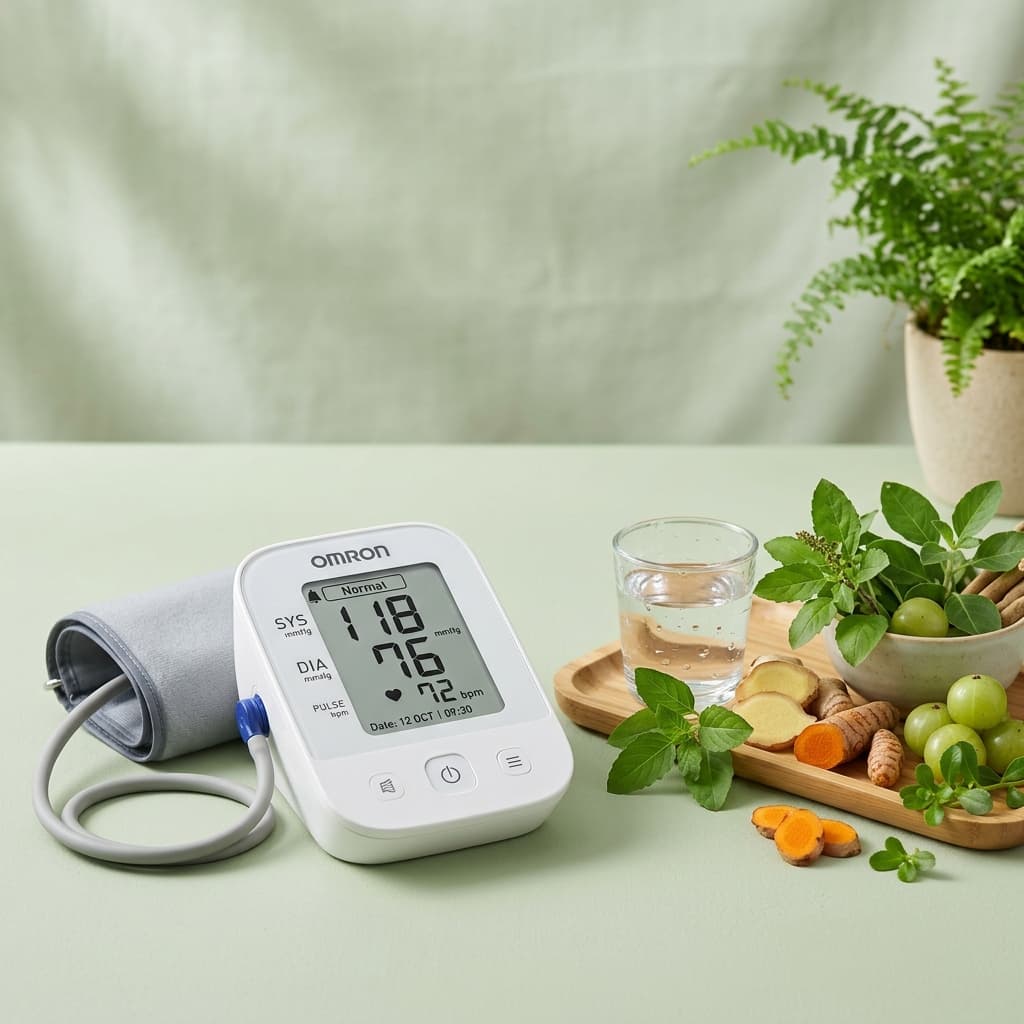
Hypertension (High BP)
Hypertension, commonly known as high blood pressure, is a chronic medical condition in which the pressure of blood flowing through the arteries remains consistently elevated. Over time, uncontrolled hypertension can damage blood vessels, increase the workload on the heart, and contribute to changes in the cardiovascular system. Hypertension is often called a "silent condition" because many people may not experience noticeable symptoms even while the condition gradually affects organs. If left uncontrolled, it can increase the risk of serious complications such as ischemic stroke, myocardial infarction (heart attack), kidney disease, and heart failure. Regular blood pressure monitoring, healthy lifestyle habits, and appropriate medical guidance play an important role in managing hypertension and reducing long-term risks.
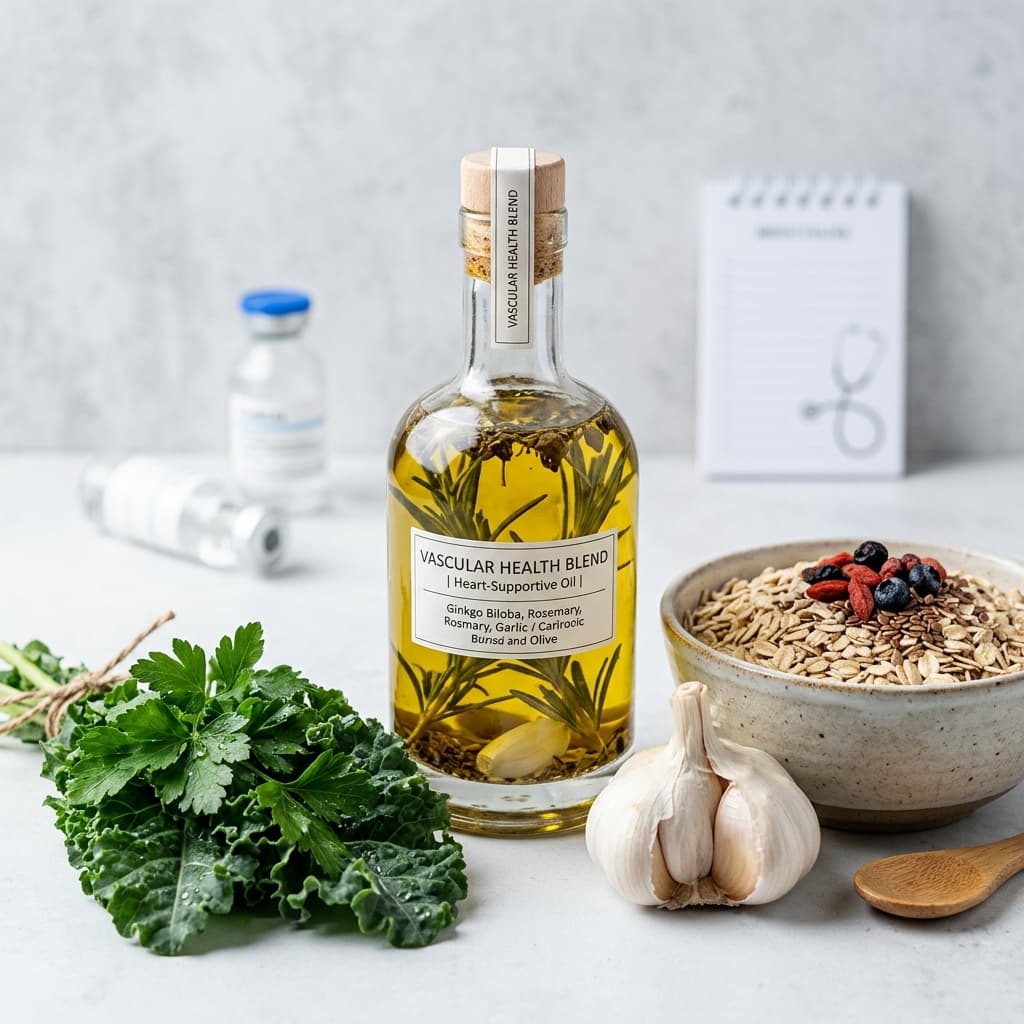
High Cholesterol
High cholesterol, also known as dyslipidemia, refers to abnormal levels of lipids (fats) in the blood. These may include elevated low-density lipoprotein (LDL) cholesterol, increased triglycerides, or changes in high-density lipoprotein (HDL) cholesterol levels. LDL cholesterol is often referred to as "bad cholesterol" because excessive levels can contribute to the formation of fatty plaques within artery walls. Over time, plaque buildup (atherosclerosis) can narrow arteries and reduce blood flow to vital organs. This may increase the risk of cardiovascular complications, including heart attacks, strokes, and other vascular problems. High cholesterol often does not cause noticeable symptoms, making regular lipid testing important, especially for individuals with risk factors.

Angina (Chest Pain)
Angina is chest pain or discomfort that occurs when an area of your heart muscle doesn't get enough oxygen-rich blood. It is a symptom of coronary artery disease, caused by the narrowing of the coronary arteries due to plaque buildup (atherosclerosis). Angina is often felt as squeezing, pressure, heaviness, or tightness in the chest, and can radiate to the shoulders, arms, neck, jaw, or back. It requires expert treatment to improve myocardial perfusion and prevent progression to a full-blown heart attack.

Cardiac Wellness
Cardiac wellness refers to a preventive approach focused on supporting cardiovascular health through healthy lifestyle choices, risk assessment, and early management of factors that may affect heart health. It may be beneficial for individuals with a family history of heart disease, metabolic syndrome, high blood pressure, cholesterol concerns, or those who wish to improve their overall cardiovascular wellbeing. A heart-healthy approach may include balanced nutrition, regular physical activity, stress management techniques, yoga, and other lifestyle practices that support overall health. These measures can help manage cardiovascular risk factors and contribute to long-term heart health.
Diagnostic Health Assessment for Ischemic Heart Disease (IHD)
Natural Management & Heart Attack Prevention
How long have you been experiencing symptoms related to Ischemic Heart Disease (IHD)?*
Schedule Your Free Consultation
Connect with certified Ayurveda and Homeopathy specialists for personalized treatment and expert guidance.
Book an Appointment
Fill in your details and our healthcare team will contact you shortly.